
No products in the cart.
Exploring the psychology behind gambling behavior
Understanding the Motivation Behind Gambling
The psychology of gambling is a complex interplay of emotions, motivations, and cognitive biases. Many individuals are drawn to gambling for the thrill of risk-taking and the potential for financial gain, especially at sites like 17 dollar neosurf casino , where the excitement associated with placing bets can trigger a rush of adrenaline, often referred to as the “gambling high.” This euphoric feeling can lead individuals to chase wins or losses, compelling them to continue participating despite adverse outcomes. Understanding these motivations is crucial for both gamblers and those looking to support them in developing healthier behaviors.
Furthermore, the desire for social interaction plays a significant role in gambling behavior. Many people gravitate toward environments like casinos, where they can enjoy camaraderie while engaging in games. The social aspect can amplify the excitement and provide a sense of belonging among players, even if they are competing against each other. This social reinforcement is essential in understanding why some individuals may repeatedly gamble, as they seek not only financial gains but also the shared experience with peers.
Additionally, psychological factors such as escapism and emotional regulation contribute to gambling behavior. For some, gambling serves as a temporary escape from daily stressors and challenges, allowing them to engage in an activity that momentarily distracts from their problems. This coping mechanism can become ingrained over time, leading individuals to gamble as a primary outlet for emotional relief rather than developing healthier strategies for dealing with stress. Understanding these underlying motivations can help individuals navigate their gambling habits more effectively.
The Role of Cognitive Biases in Gambling
Cognitive biases significantly influence gambling behavior, often leading individuals to make erroneous decisions based on flawed reasoning. One common bias is the illusion of control, where gamblers believe they can influence the outcome of games that are primarily based on chance. This belief fuels the desire to engage in gambling activities, as players may feel empowered when making bets based on personal strategies, despite the inherent randomness of the games. This skewed perception can lead to a false sense of security, encouraging further gambling.
Another prevalent cognitive bias is the gambler’s fallacy, which is the mistaken belief that past events affect future outcomes in games of chance. For example, a player might assume that a specific slot machine is “due” for a win after a series of losses, leading to increased betting. This fallacy can result in repeated gambling behavior, as individuals continue to invest their time and money with the hope that their predictions will eventually yield positive results, often ignoring statistical realities. This misunderstanding can perpetuate a cycle of losses and increased gambling.
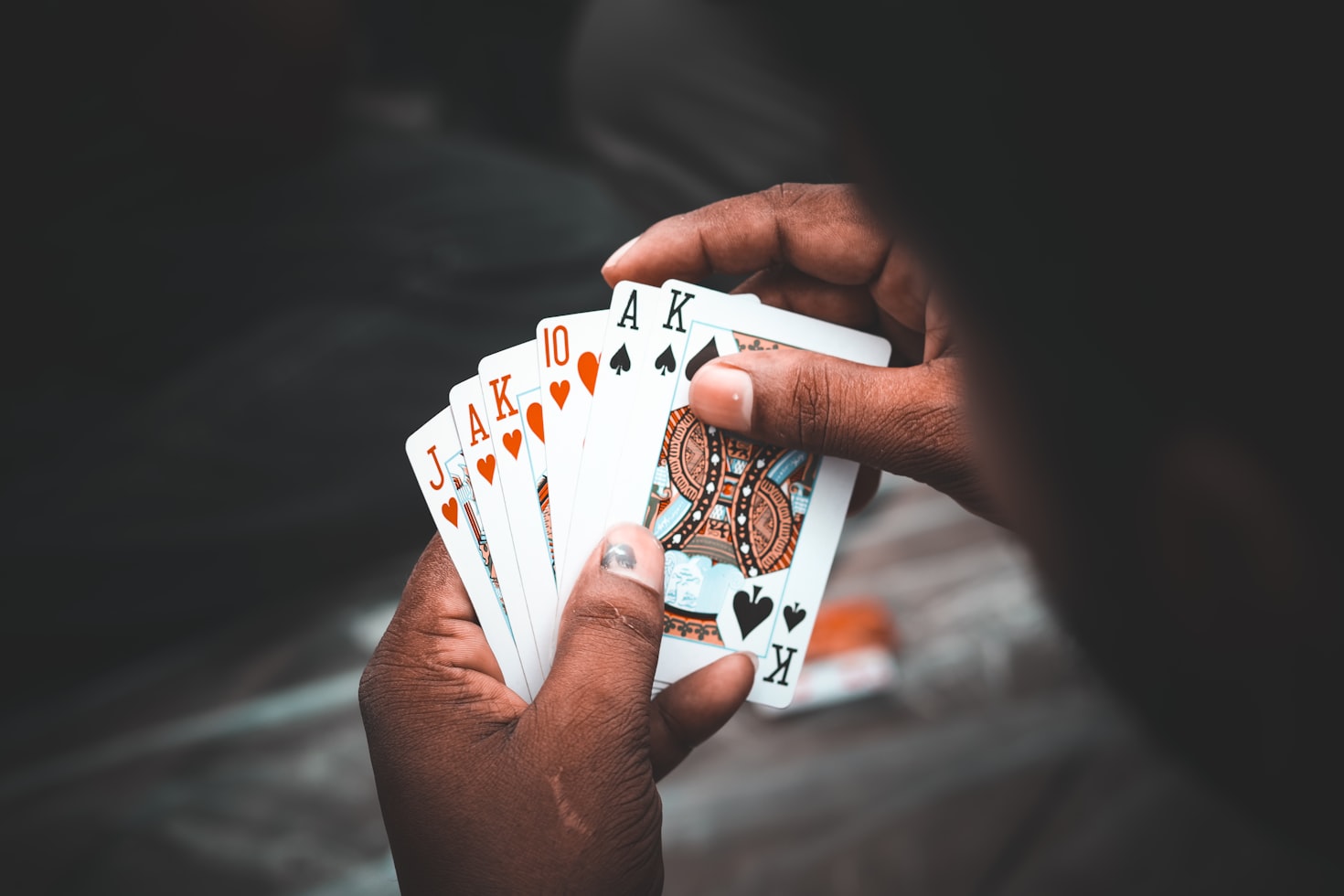
These cognitive biases can be compounded by the design of gambling environments. Casinos are meticulously arranged to create a sensory-rich experience that can distort perception and amplify emotional responses. The use of bright lights, engaging sounds, and enticing rewards can lead to an altered state of awareness, further enhancing the impact of cognitive biases. Understanding these psychological phenomena is essential for recognizing the mechanisms that encourage persistent gambling behavior and, ultimately, for developing strategies to mitigate potential harm. Awareness of these biases can help individuals make more informed decisions about their gambling activities.
The Emotional Impact of Winning and Losing
The emotional responses associated with winning and losing in gambling are profound and can significantly affect behavior. Winning can trigger feelings of elation and empowerment, reinforcing the decision to gamble. This heightened emotional state can lead to a cycle of repeated gambling, as players seek to relive the euphoric feelings associated with their wins. The anticipation of potential rewards creates a compelling narrative that further entices individuals to engage, even when the odds may not be in their favor. This cycle can be difficult to break, as the emotional highs can overshadow rational decision-making.
Conversely, losing can evoke feelings of frustration, disappointment, and shame. These negative emotions can drive gamblers to chase losses, a behavior often referred to as “loss chasing.” In an attempt to regain what was lost, individuals may increase their betting amounts or alter their strategies, which can lead to even greater losses. This cycle of win and loss creates a rollercoaster of emotions that can be psychologically exhausting and financially damaging. Recognizing this emotional impact is crucial for understanding the broader implications of gambling behavior.
Understanding the emotional landscape of gambling is essential for developing interventions aimed at reducing harmful behaviors. Support systems, therapy, and education can empower individuals to recognize their emotional triggers and cultivate healthier coping mechanisms. By addressing the emotional rollercoaster associated with gambling, it becomes possible to foster resilience and encourage more mindful decision-making, ultimately promoting healthier gambling habits. Creating spaces for individuals to discuss their experiences can also play a significant role in emotional healing.
Social Influence and Gambling Behavior
Social factors are pivotal in shaping gambling behavior, with peer influence often playing a significant role. Many individuals are introduced to gambling through friends or family members, with social approval and encouragement acting as powerful motivators. The environment in which gambling occurs can either promote responsible behavior or contribute to the normalization of excessive gambling. Understanding these social dynamics is crucial in assessing why certain individuals may be more prone to developing problematic gambling habits. This social context can create a sense of obligation to conform to group behaviors.

Social media has also changed the landscape of gambling behavior by exposing individuals to various gambling activities and community narratives. Online platforms create a space where players can share their experiences, celebrate wins, and commiserate over losses. This digital community can cultivate an environment where gambling becomes a social norm, frequently reinforcing engagement through shared stories of success and camaraderie. These social dynamics can lead to a shared identity centered around gambling, further entrenching individuals in the habit. The power of social influence in this context cannot be underestimated.
Additionally, societal attitudes toward gambling have evolved, with many cultures becoming more accepting of gambling as a form of entertainment. This shift can pressure individuals to conform to social expectations, leading to increased participation in gambling activities. It is vital to recognize the impact of these cultural and social factors to create effective prevention and intervention strategies that address the broader context in which gambling behavior occurs. Understanding the intersection of culture and gambling can provide insights into developing more effective outreach and education programs.
The Importance of Online Resources and Support
In today’s digital age, numerous online resources are available to support individuals seeking to understand and manage their gambling behavior. Websites dedicated to educating people about the risks associated with gambling can provide valuable information and tools for self-assessment. These resources often include interactive features that can help individuals gauge their gambling habits, recognize signs of problematic behavior, and explore strategies for moderation or cessation. The accessibility of such resources is crucial for fostering awareness and understanding of gambling behaviors.
Furthermore, online forums and support groups offer a safe space for individuals to connect with others experiencing similar challenges. Sharing stories and advice within these communities can create a sense of belonging, reducing feelings of isolation that often accompany gambling-related issues. This peer support is integral to recovery, as individuals can learn from each other’s experiences and develop healthier coping strategies in a non-judgmental space. The power of community in these contexts can be transformative for individuals seeking change.
Ultimately, leveraging online resources can be a powerful tool for individuals seeking to address their gambling behavior. By connecting with educational materials, support networks, and forums, individuals can empower themselves to make informed decisions about their gambling practices. These resources can help foster resilience, promote awareness, and guide individuals towards a more balanced approach to gambling that prioritizes well-being. In an age where digital connections are prevalent, utilizing these online avenues for support can lead to significant personal growth and improvement.